
Custom Care for Musculoskeletal Well-being: Experienced Massage Therapy
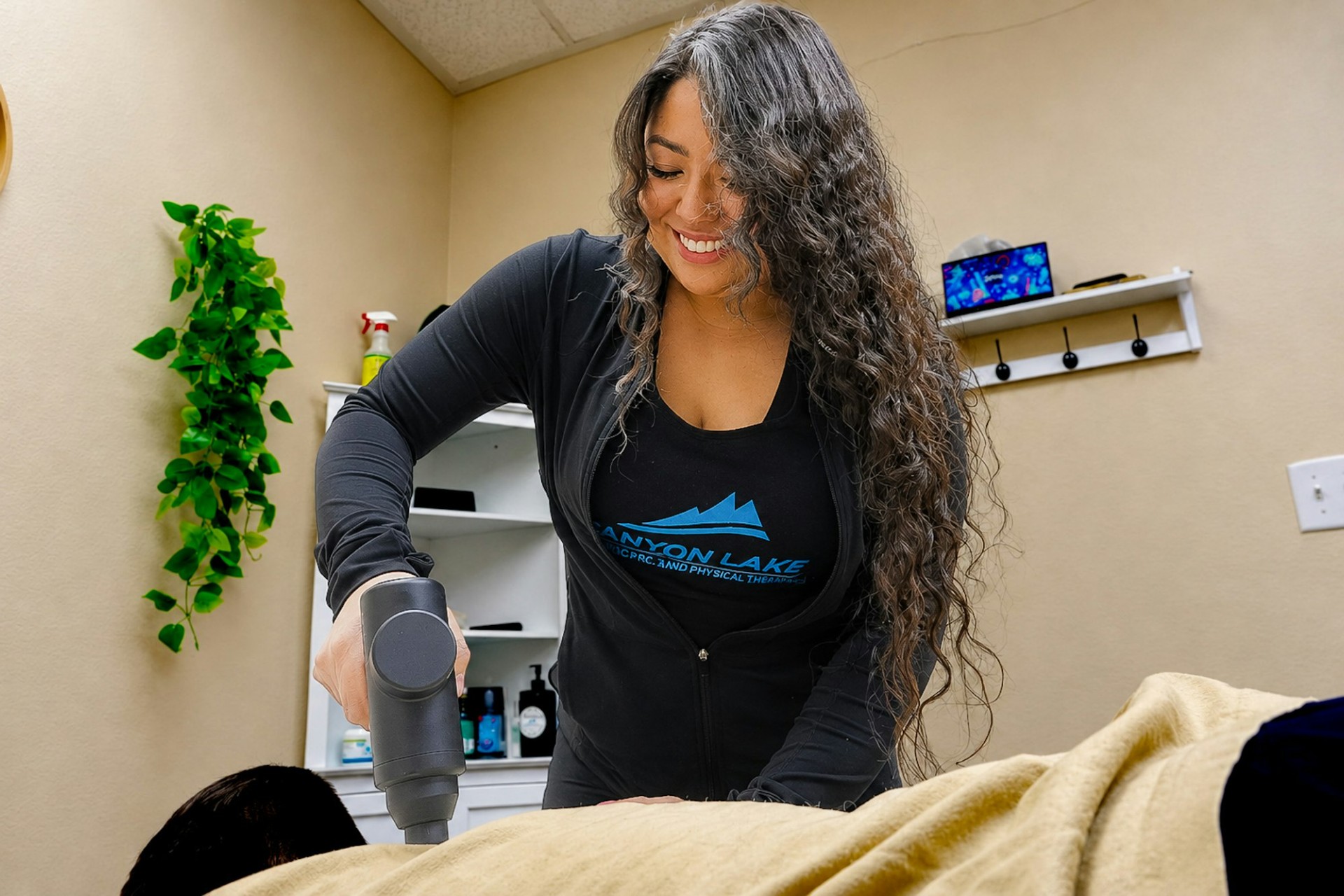
Our Licensed Massage Therapists customize each session around the individual needs of every client, supporting a well-rounded approach to musculoskeletal well-being. We offer several types of massage, including Swedish, Sports, and Deep Tissue, allowing care to be tailored to different comfort levels, concerns, and goals. Whether you are seeking relaxation, recovering from an injury, or working toward better physical performance, massage therapy can be personalized to support your needs.
Injury Recovery
Massage therapy is an important part of our injury recovery programs, offering a natural way to support the healing process. Whether you are recovering from a sports-related injury or surgery or managing chronic pain, our therapists use different techniques to focus on specific areas of discomfort.
By helping improve blood circulation, reduce muscle tension, and increase flexibility, massage therapy can help ease pain, support tissue repair, and restore function throughout recovery.
Injury Prevention
Massage can also play a valuable role in injury prevention. Regular sessions can help identify and address areas of muscle tightness, imbalance, and strain before they develop into more significant concerns.
By promoting flexibility, easing muscular tension, and improving joint mobility, massage therapy can help reduce the risk of overuse injuries while supporting a stronger and more resilient musculoskeletal system.
Athletic Performance
Athletes place specific demands on their muscles and joints, and our therapists tailor sessions with those needs in mind. Massage therapy can support flexibility and overall muscular function while helping reduce muscle fatigue and encourage faster recovery after physical activity.
Including massage as part of a training routine can also help athletes maintain their performance and better prepare their bodies for the demands of regular training and competition.
What are the benefits of different massages?
Different massage techniques are designed to address different needs, from relaxation and stress relief to athletic recovery, chronic muscle tension, and improved mobility. Understanding how each option works can help you choose the approach that best matches your comfort level and personal goals.
Swedish Massage
Swedish massage uses gentle, flowing movements to create a relaxing and soothing experience. It is often chosen by people looking to reduce stress while supporting overall muscle comfort and circulation.
- Uses long, flowing strokes, kneading, and circular movements.
- Promotes relaxation and a calming massage experience.
- Helps increase oxygen flow in the blood.
- Supports the release of toxins from the muscles.
- Can be a good option for stress relief.
Sports Massage
Sports massage is designed around the physical demands of athletic activity. Sessions can be customized to focus on the muscles and areas most affected by training, repetitive movement, or intense exercise.
- Combines techniques such as deep tissue massage, stretching, and joint mobilization.
- Can be tailored to an athlete's specific needs and the demands of their sport.
- Supports athletic performance and muscle recovery.
- Helps address muscles affected by repetitive or intense physical activity.
- Focuses on specific muscle groups based on the athlete's needs.
Deep Tissue Massage
Deep tissue massage focuses on deeper layers of muscle and connective tissue using firmer pressure and slower movements. It is especially suited for people dealing with ongoing muscle tension, stiffness, injuries, or postural concerns.
- Uses firm pressure and slow strokes to reach deeper layers of muscle and connective tissue.
- May involve the use of elbows, fists, and knuckles to apply pressure.
- Helps address chronic muscle tension, injuries, and postural concerns.
- Aims to break down adhesions, commonly described as muscle knots.
- Can help improve range of motion and relieve chronic pain and stiffness.
Cupping
Cupping uses suction created by cups placed on the skin to target specific areas of the body. It may be incorporated into massage therapy to help improve blood flow, mobilize tissue, and relieve muscle tension.
- Uses glass, plastic, or silicone cups placed on the skin to create suction.
- Can help increase blood flow to targeted areas.
- May help mobilize tissue and support tissue health.
- Can help ease muscle tension, reduce inflammation, and improve circulation.
- May be used as a complementary therapy for back pain, tennis elbow, neck pain, plantar fasciitis, and migraines.
At Canyon Lake Chiropractic and Physical Therapy, we view massage therapy as an integral component of a well-rounded healthcare strategy. Whether you're in pursuit of pain relief, recuperating from an injury, or striving to enhance your athletic performance, our committed team of licensed massage therapists are ready to offer individualized care tailored to match your health and fitness needs.
Frequently Asked Questions
Take the Next Step Toward Feeling and Moving Better
At Canyon Lake Chiropractic and Physical Therapy, massage therapy is an important part of a well-rounded approach to care. Whether you are looking to ease muscle tension, recover from an injury or surgery, improve flexibility, manage ongoing discomfort, or support athletic performance, our Licensed Massage Therapists tailor each session to your individual health and fitness needs.
From Swedish and Sports Massage to Deep Tissue Massage and cupping, we offer different approaches designed to support relaxation, recovery, mobility, and overall musculoskeletal well-being. Contact Canyon Lake Chiropractic and Physical Therapy to learn more about our massage therapy services and find an approach that fits your needs and goals.