Cold Laser Therapy for Athletes: Faster Recovery and Peak Performance
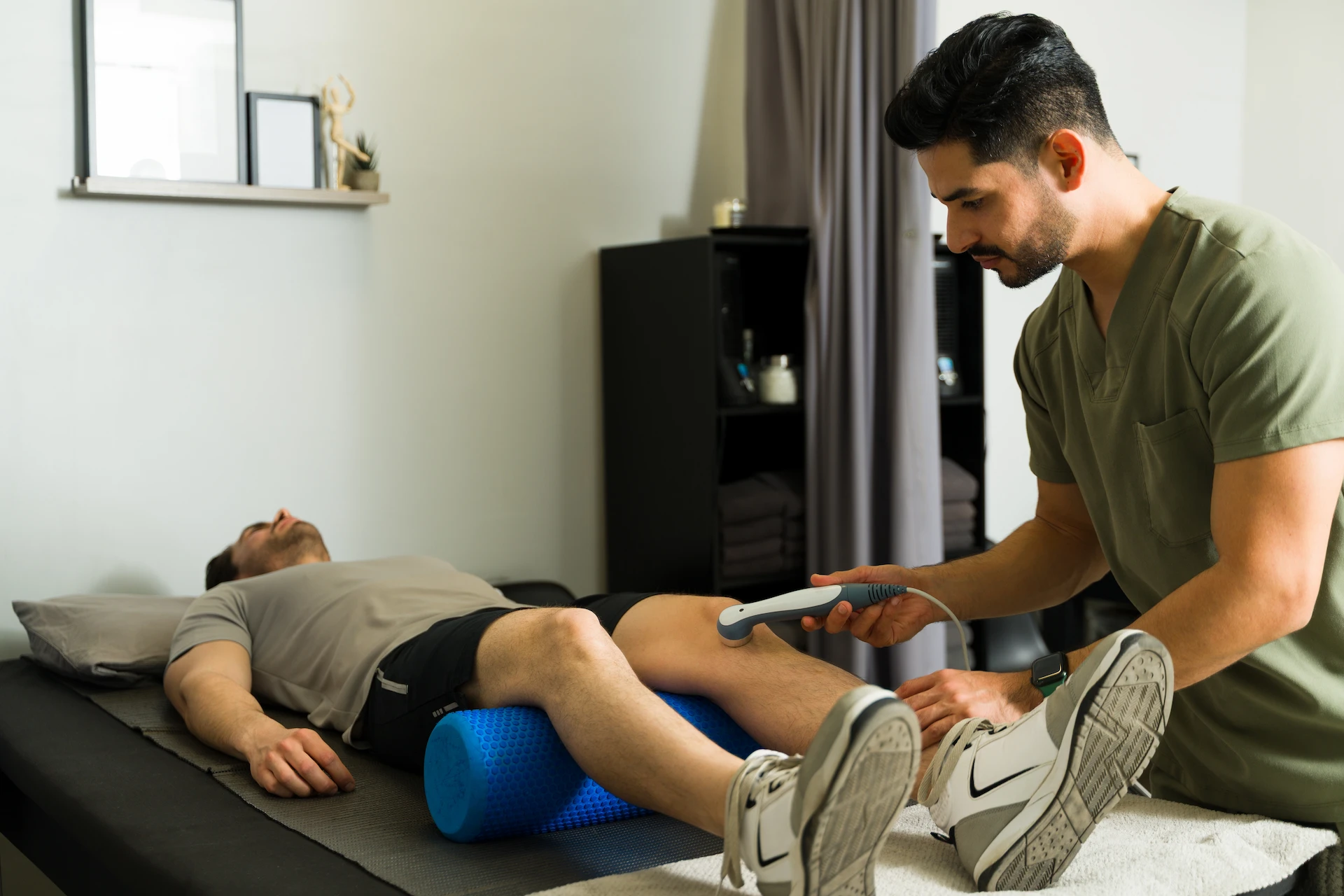
For athletes in Las Vegas, an injury is more than just a physical pain; it’s a disruption to their lifestyle and training goals. Whether you’re a marathon runner, a weekend warrior, or a competitive athlete, your priority is returning to the field or the pavement as quickly as possible. Canyon Lake Chiropractic and Physical Therapy offers cold laser therapy as a cutting-edge solution to bridge the gap between injury and peak performance.
What is Cold Laser Therapy for Athletes?
Cold laser therapy, or Low-Level Laser Therapy (LLLT), is a non-invasive treatment that uses specific wavelengths of light to interact with tissue. Unlike high-intensity surgical lasers, cold lasers do not heat or cut the skin. Instead, they trigger a biological process called photobiomodulation, which stimulates cellular repair and reduces inflammation without any downtime.
Accelerating Healing for Sports Injuries
When you suffer from common sports injuries, such as ligament sprains or muscle tears, your cells struggle to keep up with the repair demands. Cold laser therapy boosts the production of ATP (adenosine triphosphate), the energy currency of the cell. By “recharging” your cells, the laser helps speed up the natural healing process, allowing you to recover from acute trauma significantly faster than with rest alone.
Addressing Common Running Injuries
Las Vegas runners often deal with repetitive stress issues. Running injuries such as plantar fasciitis, Achilles tendonitis, and shin splints can become chronic if not treated at the source. Cold laser therapy is highly effective for these conditions because it penetrates deep into the soft tissue to reduce stubborn inflammation and break down microscarring that limits your range of motion.
Why Combine Laser with Chiropractic Care?
As a leading Chiropractor in Las Vegas, we believe in a multi-modal approach. While cold laser therapy heals soft tissue, chiropractic adjustments ensure your joints and spine are properly aligned. If your alignment is off, you’ll continue to put uneven stress on your muscles, leading to a cycle of re-injury. Combining these treatments ensures that your body is both structurally sound and cellularly energized.
Integrating Physical Therapy for Long-Term Strength
Recovery isn’t just about pain relief; it’s about resilience. By pairing cold laser therapy with targeted physical therapy, we help athletes rebuild strength in the injured area. The laser reduces initial pain and swelling, making it easier to perform the corrective exercises necessary to prevent future injuries and improve your overall athletic mechanics.
Reducing Downtime and Improving Performance
The greatest benefit of cold laser therapy is reduced downtime. For athletes training for events, even a week off can be detrimental. Regular laser sessions can be used as a preventative recovery tool, flushing out lactic acid and reducing post-workout soreness so you can bounce back for your next performance training session feeling refreshed and ready to perform.
A Game Changer for Athletes
Cold laser therapy is a game-changer for the modern athlete. By treating the root cause of pain at a cellular level and integrating it with professional chiropractic and physical therapy, you aren’t just masking symptoms; you are optimizing your body. At Canyon Lake Chiropractic and Physical Therapy, our goal is to get you off the sidelines and back to doing what you love.
Ready to Get Back in the Game?
Don’t let a sports injury hold you back. Experience the benefits of cold laser therapy at Canyon Lake Chiropractic and Physical Therapy.
Frequently Asked Questions
Q: Does cold laser therapy hurt?
A: No. Most patients do not feel anything during the procedure, although some may notice a slight, soothing warmth. Cold laser therapy is painless and non-invasive.
Q: How many sessions will I need?
A: Some athletes experience relief after one session. However, most sports injuries require 5 to 10 treatments for the best results. The exact number of sessions depends on the severity of the condition.
Q: Is it safe to use after surgery?
A: Yes. Cold laser therapy is often used after surgery, including during ACL Rehab. As part of post-surgical ACL rehab, it can help speed wound healing and reduce swelling following procedures such as ACL repairs or meniscus clips.
Q: Can I get cold laser therapy the same day as an adjustment?
A: Absolutely. In fact, we highly recommend combining these treatments. Receiving laser therapy alongside care from your chiropractor in Las Vegas can help relax the muscles, allowing the adjustment to be more effective and provide longer-lasting results.