How to Return to Running or CrossFit After an Injury


When you’re used to running several days a week or showing up for CrossFit regularly, an injury can throw off more than your training schedule. Once the pain starts easing, it can be tempting to pick up where you left off, but your body may still need time to work back toward your old mileage, weight, or training level.
As you start working your way back, that could mean:
- Restoring comfortable movement in the injured area
- Rebuilding strength needed for running, lifting, or other sport-specific movements
- Gradually increasing mileage, weight, or training intensity
- Paying attention to how the injured area responds as training picks back up
At Canyon Lake Chiropractic and Physical Therapy, Las Vegas athletes can receive chiropractic and physical therapy care as they work their way back to training. Depending on the injury, that process may involve assessing movement, addressing pain or mobility limitations, and rebuilding the function needed for running or CrossFit.
The question isn’t only when you can exercise again. It’s how you return without asking too much of an area that’s still recovering.
What to Know Before You Start Training Again
Running and CrossFit place very different demands on the body, but both can become harder to return to when an injury, including ones caused by a car crash or an accident in the home, has interrupted your normal training. Research has found that running-related injuries are common among recreational runners, particularly around the knee and Achilles tendon. CrossFit injuries are also reported across areas such as the shoulder, spine, and knee.
That makes the return to training worth approaching deliberately. A runner may need to work back toward their usual mileage and repeated impact, while a CrossFit athlete may need to rebuild tolerance for heavier loads or more demanding movements. Gait and movement assessments can also help identify issues that may be affecting how an athlete runs, lifts, or moves.
Chiropractic care and physical therapy can play different roles during that process. Treatment should be based on the injury and what the athlete still needs to regain before progressing toward normal training.
When Training Has to Change
Knee pain during a run can be easy to brush off, especially when you’re already in the middle of a typical exercise routine. However, it may become a point of concern if you go about the next couple of days and realize the knee is still bothering you.
Once an injury interrupts your training, you may start wondering:
- Can I keep running or working out at a lower intensity?
- How do I know when I’m ready to increase mileage or weight again?
- Is the injured area strong and mobile enough for my usual training?
- What happens if the pain returns when I start pushing harder?
Running and CrossFit injuries can build gradually from repetition or show up during a single movement. Once training is interrupted, the goal is not simply to wait until the pain fades and jump back in at full intensity.
At Canyon Lake Chiropractic and Physical Therapy, Las Vegas athletes can work through the strength, mobility, and movement limitations that may need attention before returning to normal training.
Don’t Pick Up Exactly Where You Left Off
A previous injury can matter when you start training again. A 2021 study of recreational runners found that nearly 46% experienced a running-related injury over one year, with previous injuries linked to a higher risk of getting hurt again.
CrossFit places different demands on the body, with the shoulder, spine, and knee among the areas commonly affected by injury. For either sport, where you left off before the injury may not be the best place to restart.
For a runner, the first few outings back might be shorter than usual. In CrossFit, it could mean backing off the weight or modifying a movement for a while. Looking at how you’re moving and what the injured area can handle can help guide those decisions.
How Chiropractic and PT Fit Into Recovery
Taking time off may settle things down, but returning to your old training routine can involve more than waiting for the discomfort to pass. Treatment will look different depending on what is getting in the way of your return to training. Options at Canyon Lake include:
- Chiropractic adjustments to address joint or spinal restrictions
- Physical therapy to rebuild strength, mobility, and sport-specific movement
- Gait or movement analysis to identify patterns that may need attention before training increases
- Manual therapies such as ART, fascial stretch therapy, or dry needling, when appropriate
- LightForce laser therapy to address certain painful or irritated areas when appropriate
The goal is not simply to make the pain quieter. It is to help the injured area handle more of the demands that running or CrossFit will place on it again.
What the Return to Training Can Look Like
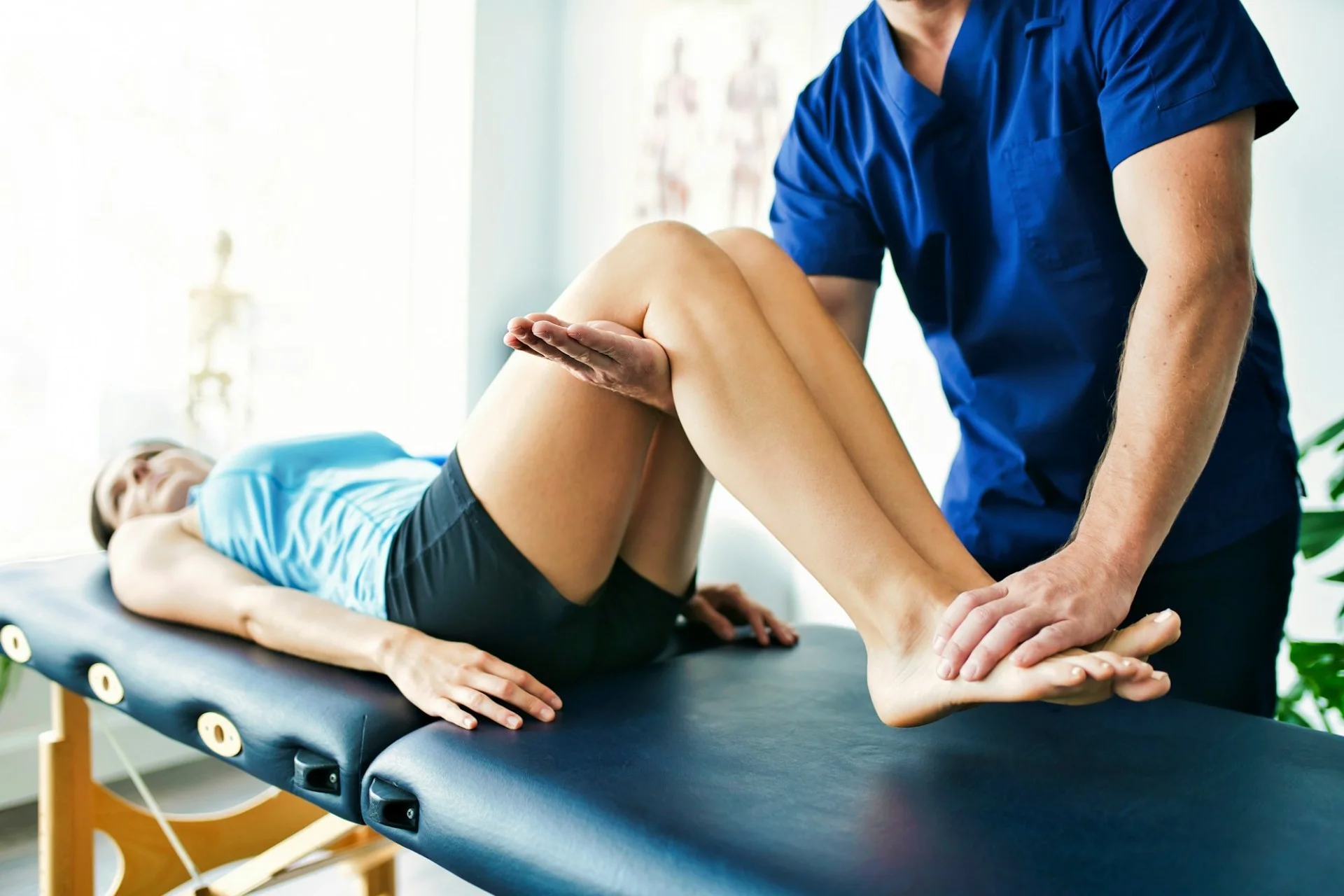
Step 1: Evaluation. First, you’ll look at what the injury is keeping you from doing and what your training looked like before it happened. The visit may include a movement assessment and, when appropriate, imaging. This helps establish where you’re starting before you begin building your training back up.
Step 2: Early treatment. Care may include chiropractic adjustments, laser therapy, or manual techniques to address pain and movement restrictions that are getting in the way of normal activity.
Step 3: Rebuilding. Physical therapy can then focus on restoring strength, mobility, and the movement patterns your sport requires, whether that means running tolerance or overhead control in CrossFit.
Step 4: Return to training. From there, activity can be increased gradually based on how the injured area responds. That may mean adding mileage, weight, or intensity in stages rather than jumping straight back to your previous level.
At Canyon Lake Chiropractic and Physical Therapy, our goal is to help Las Vegas athletes understand what still needs work before full training resumes.
Frequently Asked Questions
How do I know if I’m increasing my training too quickly after an injury?
If pain returns as you add more miles, weight, or harder workouts, you may be pushing too quickly. Consider checking your progress before increasing your training further.
Do I have to be completely pain-free before returning to running or CrossFit?
Not necessarily. It depends on the injury and what you’re able to do without making symptoms worse. An evaluation can help you decide when to return and where you may need to ease back in.
Can an evaluation help determine if I’m ready to return to my sport?
Yes. Depending on the injury, an evaluation can look at factors such as movement, strength, and your ability to perform activities related to your sport. Canyon Lake also offers functional capacity evaluations designed to assess physical capabilities and limitations for people returning to sports and other activities.
Get Back to Training
A running or CrossFit injury doesn’t have to leave you guessing when or how to start training again. If pain or limited movement is still getting in the way, contacting Canyon Lake Chiropractic and Physical Therapy can evaluate where you are in your recovery and what may need attention before you increase your training.
Ready to work toward your next run or workout? Schedule an evaluation at one of Canyon Lake’s Las Vegas locations and take the next step toward getting back to the activities you enjoy.