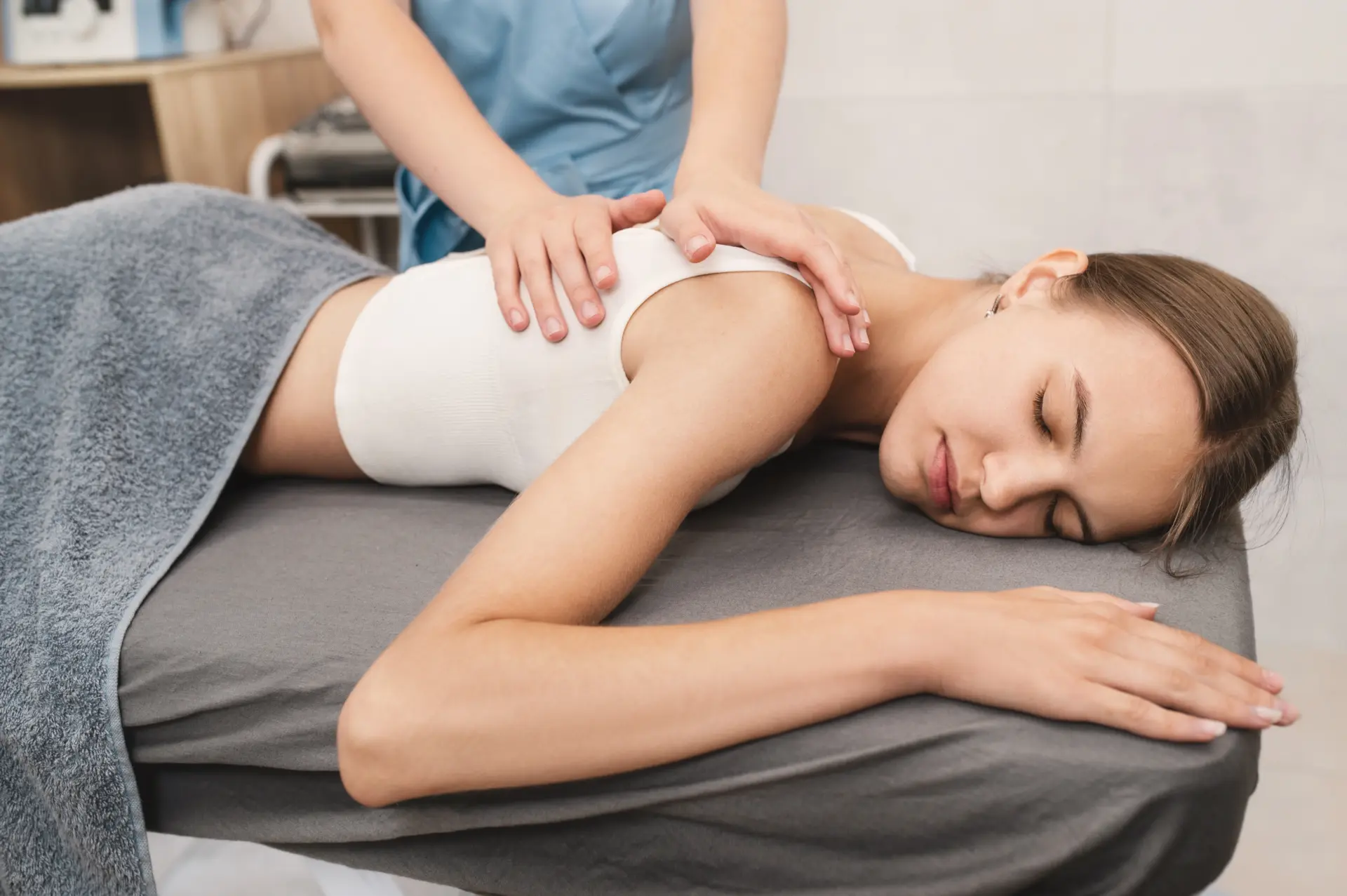
5 Massage Therapy Tips for Better Post-Workout Muscle Recovery

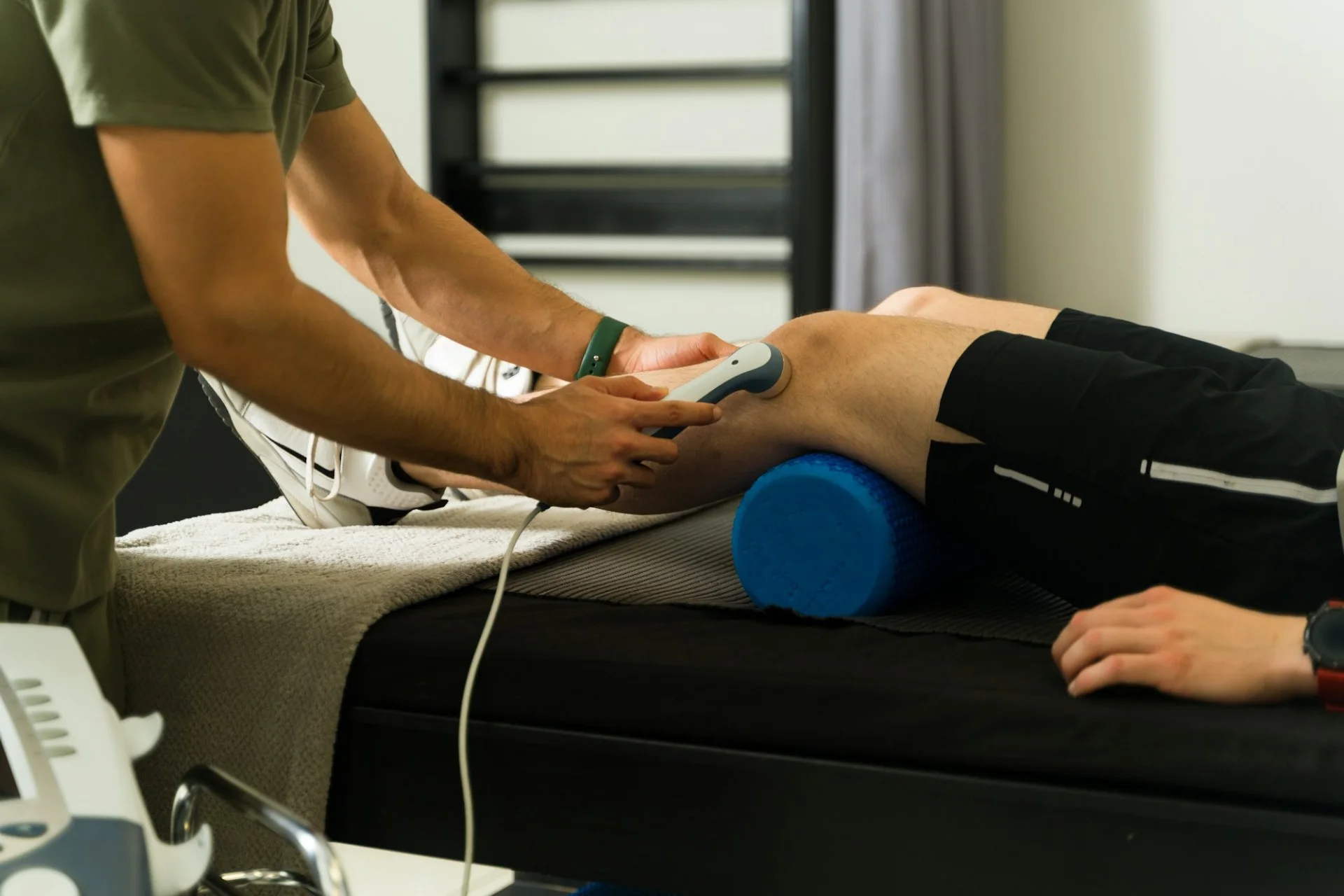
remember it, you may need additional steps toward muscle recovery. If you’re dealing with that familiar post-workout soreness, massage therapy may help you feel a little more comfortable as your body recovers.
But getting the most out of a recovery massage takes some planning. The pressure you choose, how sore you are when you arrive, and where a session fits into your training schedule can all affect your experience.
At Canyon Lake Chiropractic and Physical Therapy in Las Vegas, massage therapy is one of the services available to support muscle recovery. These five tips will help you prepare for your next session, understand what to discuss with your therapist, and recognize when soreness might need medical attention instead.
Before Your Next Recovery Massage
Research has suggested that massage therapy could help reduce delayed-onset muscle soreness (DOMS) while also providing a modest amount of improvement in flexibility. To make the most of your recovery sessions:
- Don’t feel like you need to tough it out. If the pressure is uncomfortable, let your therapist know.
- Give your therapist an idea of how sore you are. Even a quick rating from 0 to 10 can help.
- Think about your workout schedule when booking. If you’re still feeling sore from a tough session, lighter pressure may be a better fit.
- A massage can help, but getting enough sleep, eating well, and staying hydrated still matter.
- Unusual swelling, unexplained bruising, or pain in just one calf? Get those symptoms checked by a healthcare provider before scheduling a massage.
Why Muscle Soreness Can Hit Days After a Workout
October brings cooler weather to Las Vegas, which means more time outside for runners, hikers, and anyone who’s been waiting for the heat to ease up. But after that first long hike or tougher-than-usual workout, even walking downstairs can become a challenge.
That soreness you feel a day or two later is often delayed-onset muscle soreness (DOMS). It’s common after exercise that your body isn’t used to, particularly movements like hiking downhill at Red Rock Canyon or lowering yourself into a squat.
5 Ways to Get More From Your Post-Workout Massage
A little preparation can make your next recovery massage more comfortable and better suited to your training needs. Here are five things worth keeping in mind.
1. Don’t Push Through Pain During Your Massage
If you just finished a workout and feel sore, having someone dig hard into those same muscles would not always be an ideal method of pain relief. Deep pressure can sometimes make that tenderness worse.
Let your therapist know what feels comfortable. You shouldn’t have to tense up or hold your breath to get through a massage. If you’re interested in deeper work, it may be worth waiting until you’re not quite so sore.
The National Center for Complementary and Integrative Health notes that serious complications are rare, although some reported injuries have involved vigorous techniques such as deep tissue massage.
2. Tell Your Therapist How Sore You Are
“I’m a little sore” can mean different things to different people. Try rating your soreness from 0 to 10 so your therapist has a better idea of how you’re feeling.
A few things to mention before your session:
- Your most recent workout and when you completed it
- Where you’re sore and how intense the discomfort feels
- Any medications you’re taking, particularly blood thinners
- Recent injuries, surgery, or unusual swelling, warmth, or one-sided calf pain (which require medical screening before receiving massage)
If the pressure becomes uncomfortable during your massage, speak up. Your therapist can adjust the session based on your feedback.
3. Plan Your Massage Around Your Workouts
Think about where your appointment fits into your training schedule. You may want different pressure depending on how recently you exercised.
- After a hard workout: Consider lighter pressure if your muscles are particularly sore.
- On rest days: More focused work may be comfortable if you’ve recovered from your previous workout.
- Before a competition: Keep things familiar and avoid unusually intense massage that could leave you sore.
Still feeling sore a couple of days after your massage? Bring it up with your therapist so you can figure out what might work better next time.
4. Choose a Licensed Massage Therapist
Nevada requires massage therapists to be licensed, so checking credentials is a reasonable first step. You can also ask about experience working with athletes or people dealing with post-workout soreness.
The benefit of a clinic like Canyon Lake Chiropractic and Physical Therapy is having different providers under one roof. Our licensed massage therapists work alongside chiropractors and physical therapists, so there’s an opportunity to involve another provider if your soreness seems unusual or an injury needs a closer look.
5. Don’t Rely on Massage Alone for Recovery
You can book a great massage after a tough workout and still wake up sore the next morning. It can also be true if you have spent time cutting back on sleep or even pushing harder at the gym. Your muscles still need a chance to recover, so ensure you have enough downtime for your body to accomplish some form of recovery.
A few things worth paying attention to:
- Give yourself enough sleep, especially after a demanding workout.
- Keep water handy when you’re training outdoors in the Las Vegas heat.
- Make time for proper meals, even when your schedule gets busy.
- Ease into heavier weights or longer workouts instead of making big jumps all at once.
Massage can be a useful addition to these habits, particularly when you’re trying to manage soreness between training sessions.
Make the Most of Your Next Recovery Massage
Your muscles won’t feel the same after every workout, so your massage therapy sessions shouldn’t always look the same either. Maybe you need lighter pressure after a long run, or you’ve noticed certain areas stay sore longer than others. Those are things worth bringing up with your therapist before your next session.
At Canyon Lake Chiropractic and Physical Therapy, our Las Vegas team offers massage therapy as part of a broader approach to recovery and physical wellness. With the right support and healthy recovery habits, you can make your next massage a more useful part of your training routine.
Frequently asked questions
How soon after a workout should I get a massage?
You don’t have to rush into a massage right after exercising. A lighter session a day or two later
may expedite recovery, but wait until the post-workout soreness has gone away to get the most out of more intense deep tissue sessions. Pay attention to how your muscles feel before deciding when and what type of session to book.
How often should I get a massage for muscle recovery?
There’s no set schedule you need to follow. If you’re training hard several days a week, you might find regular massages helpful. For others, an occasional session after a particularly demanding workout is enough. Talk with your massage therapist about what makes sense for your routine.
When should you avoid getting a massage after exercise?
Hold off if you’re injured or have unusual pain or swelling. A swollen, painful, or red calf could signal a blood clot and needs prompt medical attention. Taking blood thinners or recently had surgery? Check with your doctor before booking.
Ready to Make Your Next Recovery Massage Count?
At Canyon Lake Chiropractic and Physical Therapy, our licensed massage therapists offer personalized Swedish, sports, and deep tissue massage to support your recovery needs.
Ready to get more from your next session? Explore our massage therapy services and contact either of our Las Vegas locations to schedule:
Jones Blvd Clinic: (702) 256-2225
Fort Apache Clinic: (702) 254-8675
This article is for general education and isn’t a substitute for medical advice. See our Medical Disclaimer.